

Understanding Malaysia’s Trade Position
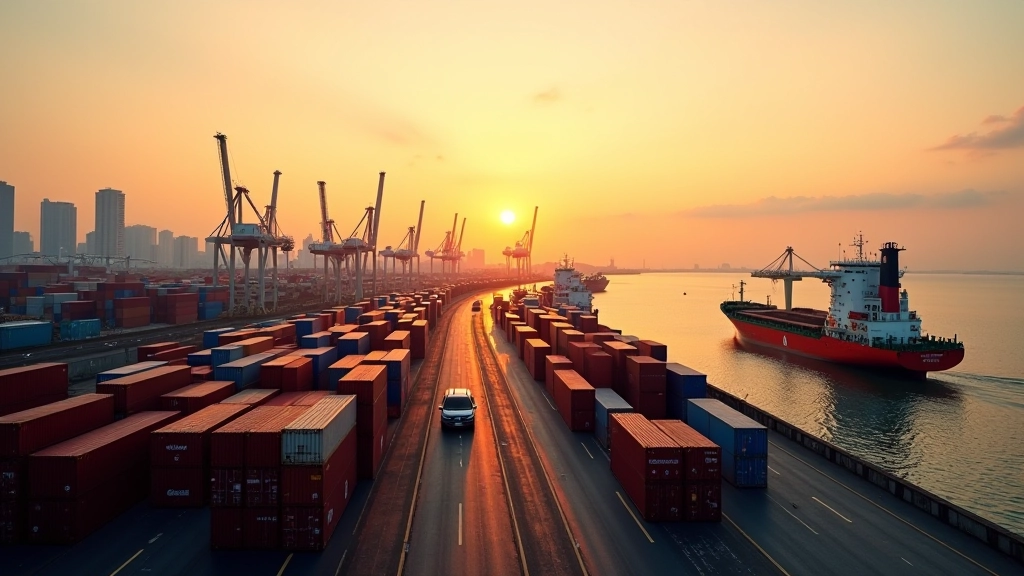
Malaysia’s role in international trade reflects decades of strategic development. The country isn’t just exporting raw materials — it’s evolved into a sophisticated trading economy with diversified export sectors.
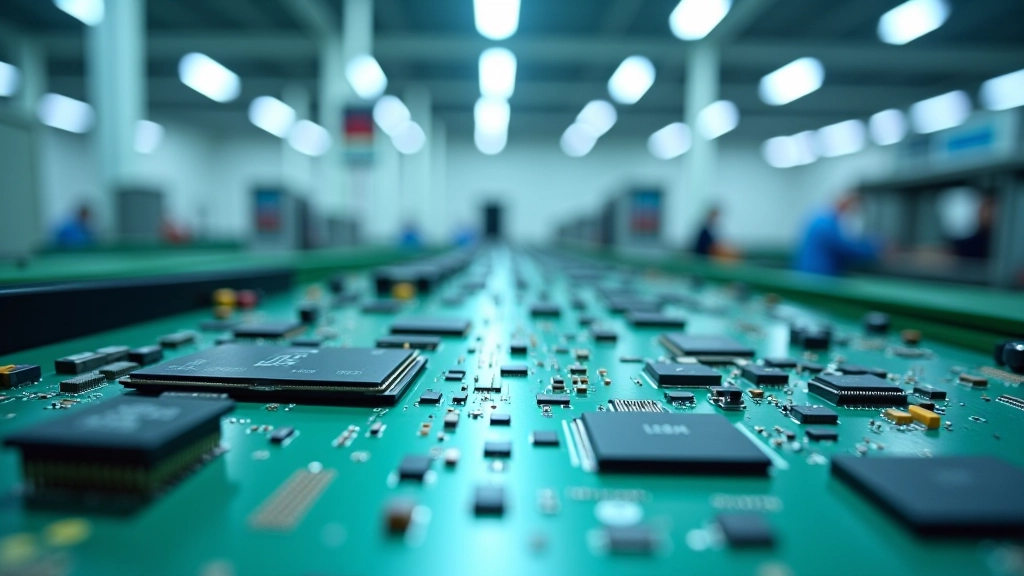
Palm oil remains significant, but it’s the electronics and semiconductor industries that’ve transformed Malaysia’s economic profile. These sectors create higher-value exports and stronger profit margins. Companies across the region rely on Malaysian component manufacturers for everything from consumer devices to industrial equipment.
Regional integration through RCEP fundamentally changes the competitive landscape. Tariff elimination and streamlined regulations mean Malaysian businesses can compete more effectively across Southeast Asia. This partnership opens new opportunities for exporters while creating challenges for domestic industries facing increased competition.
Trade balance monitoring isn’t just economic data — it’s essential context for understanding Malaysia’s currency stability, foreign exchange reserves, and overall financial health. A healthy trade position supports investment, creates jobs, and enables the government to fund infrastructure and social programs.