
Palm Oil Exports: Malaysia’s Agricultural Backbone
How palm oil production maintains Malaysia’s position as a leading global supplier and the role RCEP plays in expanding export markets across Asia.
Read MoreUnderstanding how the Regional Comprehensive Economic Partnership transforms market access, reduces tariffs, and creates new opportunities for Malaysian exporters across Southeast Asia.

The Regional Comprehensive Economic Partnership came into force on January 1, 2022. It’s the world’s largest trade bloc by GDP, covering 10 ASEAN nations plus China, Japan, South Korea, Australia, and New Zealand. For Malaysia, it’s genuinely transformative.
Here’s what makes it different from previous agreements: RCEP doesn’t just reduce tariffs. It streamlines customs procedures, harmonizes product standards, and opens services markets that were previously restricted. Most tariffs between member nations drop to zero over a five to twenty year implementation period. But more importantly, you’re looking at predictable, binding commitments. That matters when you’re running a business that depends on stable supply chains.
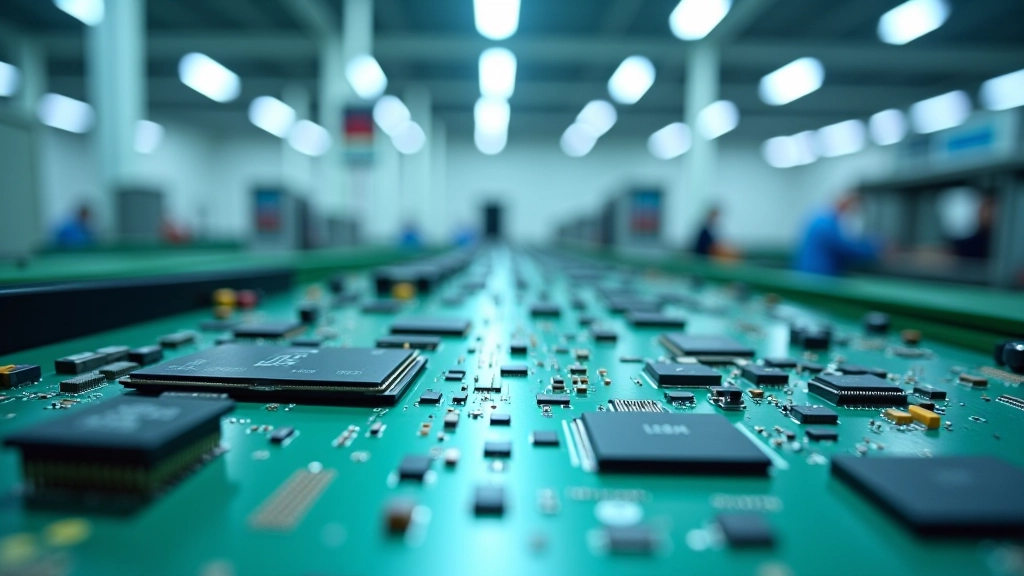
Malaysia benefits especially because we’re positioned as both a major exporter and a crucial link in regional supply chains. Our palm oil goes to China and Japan. Our electronics components feed manufacturing operations across Thailand, Vietnam, and Indonesia. RCEP doesn’t just lower costs — it makes these relationships more reliable.


On day one, RCEP eliminated tariffs on over 90% of goods traded between member nations. That’s not a marketing figure — it’s binding. Electronics components, palm oil, rubber, refined petroleum products. All seeing immediate duty reductions.
For Malaysian exporters, the impact compounds quickly. Take electronics. A Malaysian semiconductor manufacturer exporting to Thailand previously faced a 5% tariff. Now it’s zero. On a $100 million shipment, that’s $5 million saved annually. Multiply that across thousands of companies and you’re looking at real economic stimulus.
But there’s a second layer. The tariff reductions apply to intermediate goods too — the components that go into other products. So a Malaysian electronics firm exporting capacitors to Vietnam doesn’t just save on direct tariffs. Vietnamese manufacturers using those capacitors also save money, making them more competitive, which creates demand for more Malaysian inputs. The agreement creates a multiplier effect.
Tariff elimination matters, but market access goes deeper. RCEP includes commitments on services — telecommunications, financial services, logistics. Malaysian banks can now establish operations in other member countries more easily. Malaysian logistics companies get better access to distribution networks across the region.
Think about what this means practically. A Malaysian palm oil exporter doesn’t just face lower tariffs in Indonesia or the Philippines. They also get clearer rules on how their product can be certified, transported, and sold. These aren’t trivial details. Customs procedures that used to take two weeks might now take three days. Certification standards that varied by country are gradually harmonizing.
For services, the impact’s even more direct. Malaysian accounting firms, engineering consultancies, and IT services companies can bid for contracts across RCEP nations with fewer restrictions. The agreement establishes mutual recognition of professional qualifications for certain sectors. A Malaysian accountant’s credentials mean something in Vietnam or Thailand now, not just Malaysia.

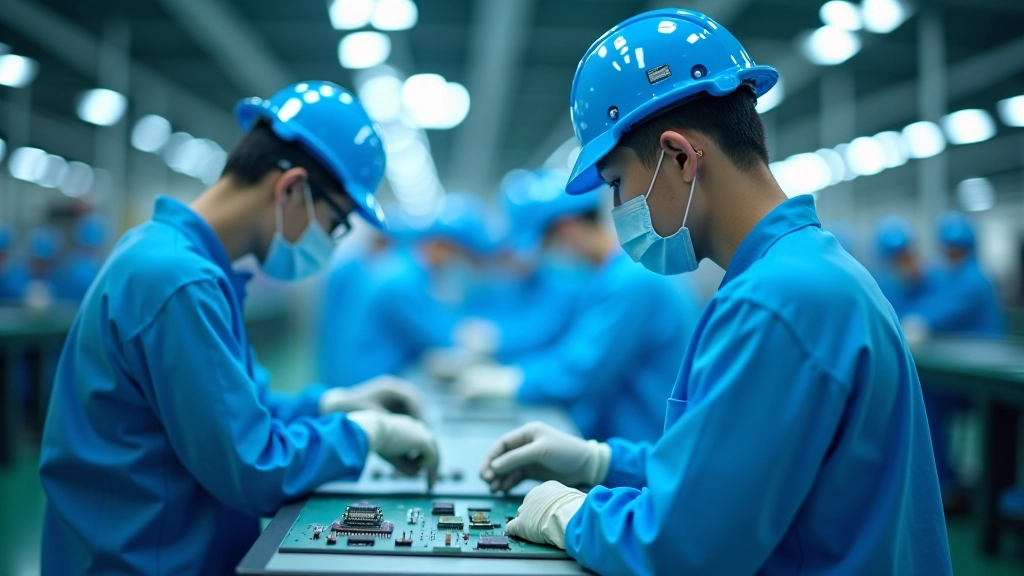
Here’s where RCEP becomes genuinely strategic for Malaysia. We’re not just a final exporter — we’re part of complex, multi-country supply chains. Electronics made in Malaysia use components from Thailand and Vietnam. Palm oil processing involves inputs from across ASEAN. RCEP makes these integrated supply chains dramatically more efficient.
The agreement includes something called “rules of origin” provisions. Essentially, if a product has 40% or more of its value created within RCEP nations, it qualifies for preferential tariff treatment. This matters enormously. Malaysian manufacturers can now source components from anywhere in the region and still get tariff benefits. Previously, you’d be locked into specific sourcing arrangements to maintain tariff benefits. Now you’ve got flexibility to find the best supplier at the best price across the entire bloc.
This flexibility increases competitiveness. Malaysian electronics manufacturers can choose between Thai semiconductor suppliers, Indonesian component makers, or Vietnamese assembly partners. Competition drives innovation and cost reduction. You’re not locked into one supply chain anymore — you’ve got options. And when you’ve got options, you get better prices and better quality.
The benefits aren’t theoretical. Here’s what’s actually happening.
Malaysian palm oil exports to RCEP nations grew 18% year-on-year after the agreement came into force. Tariff elimination in China and Vietnam removed major cost barriers. Processing facilities now have incentive to locate in Malaysia rather than relocate to importing countries.
Malaysia’s semiconductor exports expanded into new markets. Japanese and South Korean electronics makers now source more components from Malaysian manufacturers because tariff-free access makes regional sourcing competitive against external suppliers.
Customs clearance times at Malaysian ports dropped 30-40% for RCEP member shipments. Streamlined procedures and harmonized documentation mean goods move faster. Companies get their products to market quicker, reducing working capital needs.
Malaysian IT services companies and business process outsourcing firms expanded operations into Thailand and Vietnam. Mutual recognition of credentials and simplified business registration made entry barriers much lower than pre-RCEP.
We’re still in the early implementation phase. Most tariff elimination happens over five to twenty years. That means Malaysia’s got a window to reposition itself as a hub for RCEP manufacturing and services. Companies that understand these dynamics now will build competitive advantages that compound over time.
The real opportunity isn’t just about lower tariffs. It’s about supply chain restructuring. Multinational manufacturers are reshoring production to RCEP nations to take advantage of tariff-free access. That investment creates jobs, attracts talent, and builds industrial capacity. Malaysia’s been attracting significant foreign direct investment since RCEP came into force — particularly from Japanese and South Korean electronics makers.
But here’s what matters most: you’ve got a binding, rules-based framework. That’s rare. Trade agreements sometimes get renegotiated or suspended. RCEP’s governance structure makes that harder. Member nations have committed to dispute resolution mechanisms and compliance frameworks. For businesses planning five, ten, or twenty-year investments, that certainty is valuable.

This article provides educational information about RCEP and its economic impacts. Trade policy, tariff schedules, and implementation timelines are complex and subject to change. The specific details and statistics presented here are current as of March 2026, but tariff rates, compliance requirements, and member country procedures evolve continuously. Exporters and businesses planning trade operations should consult official RCEP documentation, work with trade compliance specialists, and engage with the Malaysian Ministry of International Trade and Industry for current, binding guidance on tariff classifications, rules of origin, and market access procedures. This content isn’t a substitute for professional trade, legal, or business advice.