
Malaysia’s Trade Power: From Palm Oil to Electronics
Understanding export trends, RCEP benefits, and ASEAN market integration that shape regional commerce

Why Malaysia Matters in Global Trade
A strategic position connecting producers and markets across Southeast Asia and beyond
Palm Oil Leadership
Malaysia maintains significant influence in global palm oil markets. The sector employs hundreds of thousands and generates substantial export revenue, though sustainability pressures are reshaping production practices.
Electronics Hub
Semiconductor manufacturing and electronics assembly position Malaysia as a critical link in global supply chains. Investment in technology and skilled workforce continues to strengthen this sector’s competitive edge.
RCEP Opportunities
The Regional Comprehensive Economic Partnership opens new pathways for Malaysian exporters. Tariff reductions and expanded market access reshape competitive advantages across industries and regions.
Trade Integration
ASEAN market integration creates both opportunities and challenges. Understanding regional dynamics, supply chain positioning, and bilateral relationships is essential for exporters and policymakers alike.
Malaysia’s Trade Power: From Palm Oil to Electronics
Deep dives into the sectors and partnerships shaping regional commerce

Palm Oil Exports: Malaysia’s Agricultural Backbone
How palm oil production maintains Malaysia’s position as a leading global supplier while navigating sustainability pressures and market competition.
Read Article
Electronics Manufacturing: High-Tech Export Growth
The rise of Malaysia’s semiconductor and electronics sector as a critical link in global supply chains, creating competitive advantages in the region.
Read Article
RCEP Benefits: Unlocking Regional Trade Potential
What the Regional Comprehensive Economic Partnership means for Malaysian exporters, tariff reductions, and expanded market access across 10 ASEAN nations.
Read ArticleUnderstanding Trade Flows
How Malaysian exports navigate global markets and regional partnerships
Production & Sourcing
Malaysian exporters source raw materials and manufacture products across agriculture, electronics, and other sectors. Production efficiency and cost competitiveness shape global positioning.
Logistics & Distribution
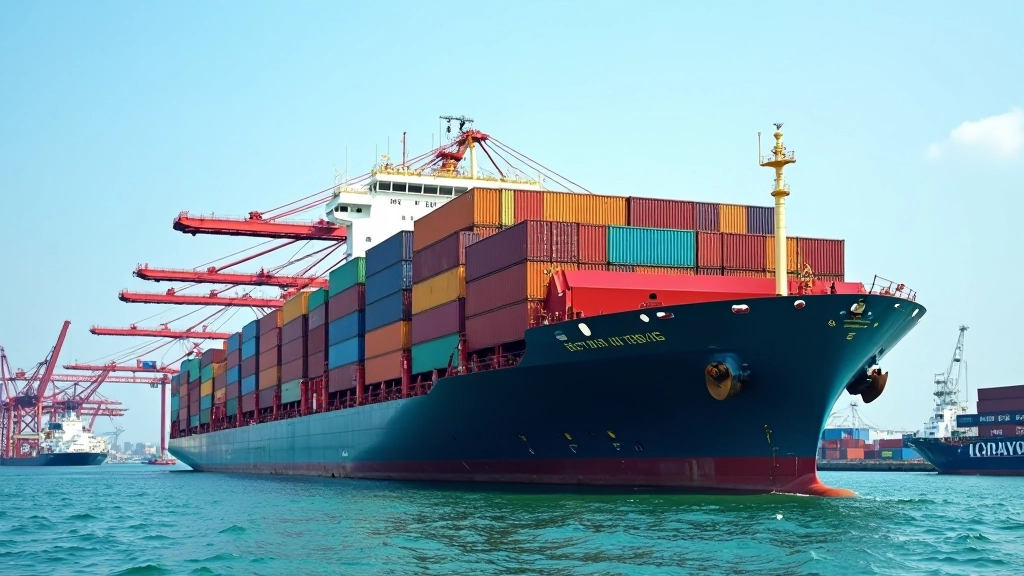
Strategic port infrastructure and regional connections enable efficient movement of goods. Supply chain positioning matters — it determines market access, timing, and competitive advantages.
Market Access & Compliance
Trade agreements like RCEP reduce tariffs and simplify customs procedures. Understanding bilateral relationships and regional rules helps exporters navigate complex international regulations.
Market Monitoring & Adjustment
Tracking trade balances, exchange rates, and demand patterns allows exporters to adapt strategies. Real-time market intelligence shapes competitive positioning and long-term planning.
Key Trade Dynamics
Factors shaping Malaysia’s export performance and regional integration
Global Demand Shifts
Palm oil demand fluctuates based on global consumption patterns, sustainability concerns, and policy changes. Electronics demand rises with technology adoption worldwide, creating opportunities and challenges.
Currency Movements
The Malaysian Ringgit’s strength or weakness directly impacts export competitiveness. Exchange rate fluctuations affect pricing power and profit margins for Malaysian exporters across all sectors.
Supply Chain Resilience
Regional supply chains became more critical post-pandemic. Malaysia’s position as a manufacturing hub depends on maintaining reliable logistics, skilled workforce, and competitive infrastructure.
Sustainability Standards
International environmental regulations increasingly shape palm oil exports. Certification requirements and carbon considerations influence market access, pricing, and production methods across the industry.
Regional Partnerships
RCEP membership and bilateral relationships create preferential access to neighboring markets. Strategic partnerships with ASEAN nations strengthen Malaysia’s negotiating position and market reach.
Competitive Pressures
Other regional producers compete in palm oil and electronics. Maintaining cost advantages, quality standards, and innovation is essential for Malaysian exporters to stay competitive globally.
Understanding Malaysian Trade in Context
Malaysia’s role in global commerce extends far beyond commodity exports. The country has strategically positioned itself as a manufacturing hub for electronics, petrochemicals, and refined goods. This diversification reduces dependence on any single sector while creating resilience through varied revenue streams.
Trade isn’t just about numbers — it’s about relationships, logistics, policy, and timing. Understanding how Malaysian exporters navigate tariffs, supply chain disruptions, and market preferences reveals the complexity of modern international commerce. That’s why this resource exists: to provide clear, accessible information about the sectors and dynamics shaping regional trade.
Whether you’re analyzing market trends, researching export sectors, or tracking ASEAN integration, you’ll find detailed articles on palm oil export trends, electronics manufacturing growth, RCEP benefits, and trade balance dynamics. Start exploring the sectors that matter most to you.
Ready to Dive Deeper into Malaysian Trade?
Whether you’re tracking export trends, analyzing market data, or understanding RCEP’s impact, we’ve got the information you need. Explore detailed articles on palm oil, electronics, trade agreements, and regional dynamics.
Contact Us for More Information