

TradeFlow Asia Logo TradeFlow Asia Contact Us
Contact Us

Malaysia’s Trade Power: From Palm Oil to Electronics

Explore how Malaysia shapes regional commerce through strategic exports, RCEP partnerships, and ASEAN integration. Understand the forces driving one of Southeast Asia’s most dynamic trading economies.

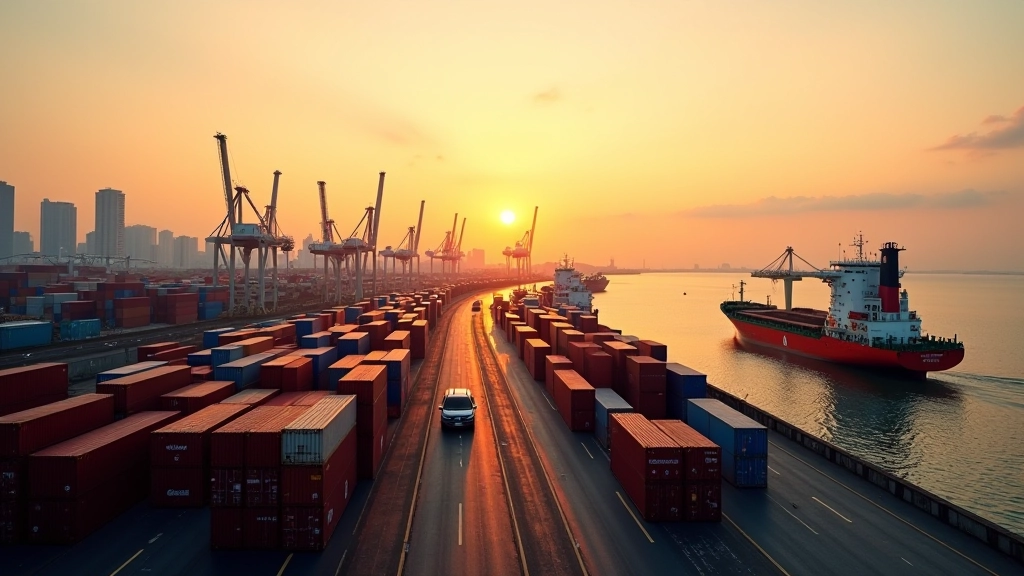
Modern port facility with cargo containers and shipping vessels at sunset, representing Malaysia's international trade infrastructure

Featured Articles on Malaysia’s Trade

In-depth analysis of export trends, regional partnerships, and economic dynamics shaping Malaysia’s position in global trade.

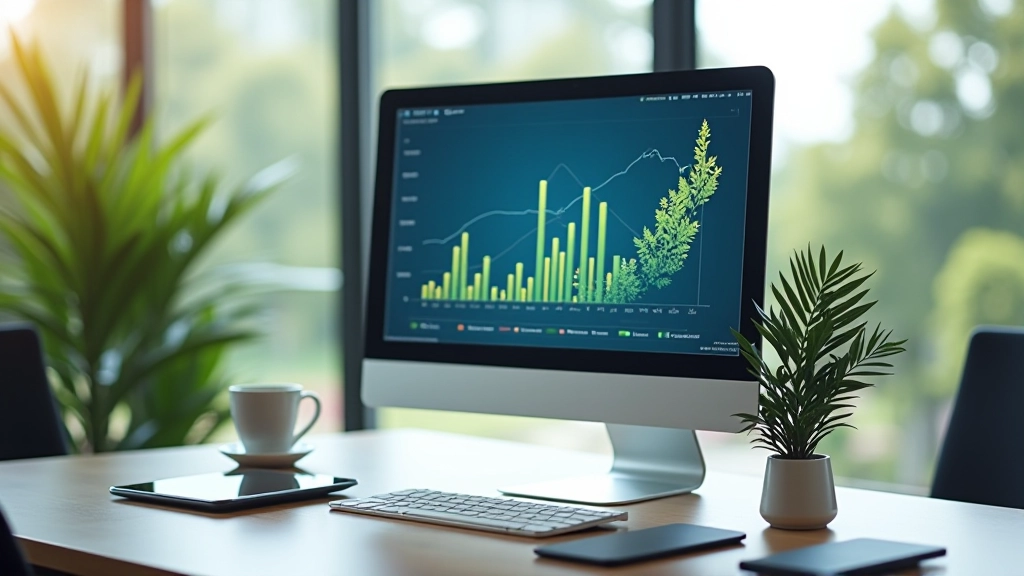
Modern office workspace with palm oil commodity charts displayed on computer monitor and tablet

Palm Oil Exports: Malaysia’s Agricultural Backbone

How palm oil production maintains Malaysia’s position as a leading global supplier while navigating sustainability pressures and market competition.

7 min Intermediate March 2026
Read More
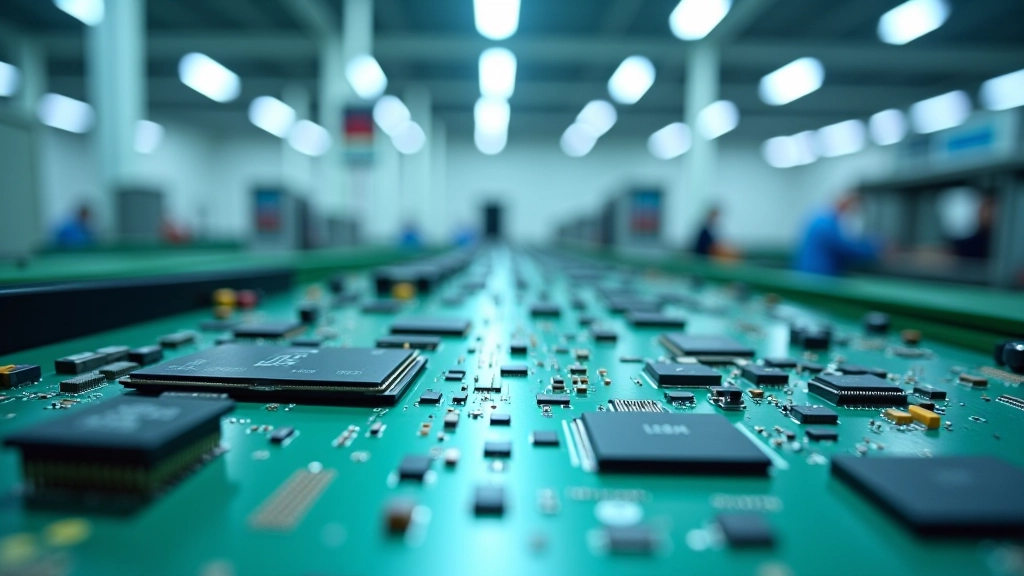
Electronics manufacturing facility with circuit boards, semiconductor components, and precision assembly equipment

Electronics Manufacturing: High-Tech Export Growth

The rise of Malaysia’s semiconductor and electronics sector as a critical link in global supply chains, creating competitive advantages in the region.

9 min Advanced March 2026
Read More
Regional trade agreement document with RCEP logo and maps showing Southeast Asian nations connected by trade routes

RCEP Benefits: Unlocking Regional Trade Potential

What the Regional Comprehensive Economic Partnership means for Malaysian exporters, tariff reductions, and expanded market access across 10 ASEAN nations.

8 min Intermediate March 2026
Read More
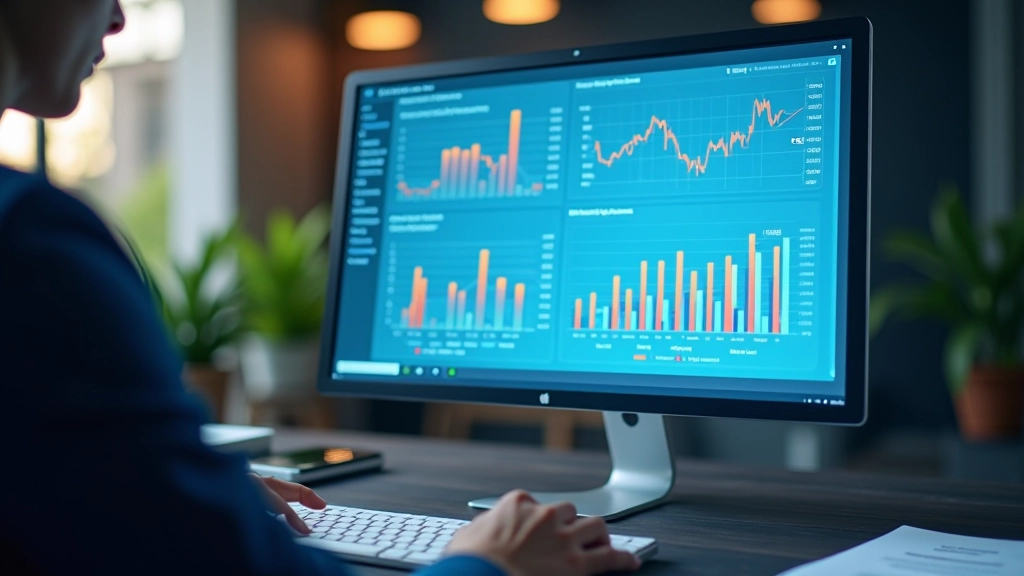
Digital dashboard displaying trade statistics, balance sheets, and economic indicators for Malaysia's international commerce

Monitoring Trade Balance: Malaysia’s Economic Health Indicators

Understanding trade balance trends, current account positions, and how Malaysia manages its export-import relationships to maintain economic stability.

6 min Beginner March 2026
Read More

Key Trade Dynamics

45%

of Malaysia’s exports go to ASEAN nations and major trading partners

$15B+

annual palm oil export value, supporting thousands of jobs nationwide

2nd

largest electronics exporter in Southeast Asia after Singapore

10

ASEAN members benefiting from RCEP tariff reduction framework

Understanding Malaysia’s Trade Position

Malaysia’s role in international trade reflects decades of strategic development. The country isn’t just exporting raw materials — it’s evolved into a sophisticated trading economy with diversified export sectors.

Palm oil remains significant, but it’s the electronics and semiconductor industries that’ve transformed Malaysia’s economic profile. These sectors create higher-value exports and stronger profit margins. Companies across the region rely on Malaysian component manufacturers for everything from consumer devices to industrial equipment.

Regional integration through RCEP fundamentally changes the competitive landscape. Tariff elimination and streamlined regulations mean Malaysian businesses can compete more effectively across Southeast Asia. This partnership opens new opportunities for exporters while creating challenges for domestic industries facing increased competition.

Trade balance monitoring isn’t just economic data — it’s essential context for understanding Malaysia’s currency stability, foreign exchange reserves, and overall financial health. A healthy trade position supports investment, creates jobs, and enables the government to fund infrastructure and social programs.