

Palm Oil Exports: Malaysia’s Agricultural Backbone
How palm oil production maintains Malaysia’s position as a leading global supplier and its role in the export economy.
Read MoreHow Malaysia’s semiconductor and electronics sector became a critical link in global supply chains, driving competitive advantages across the region.
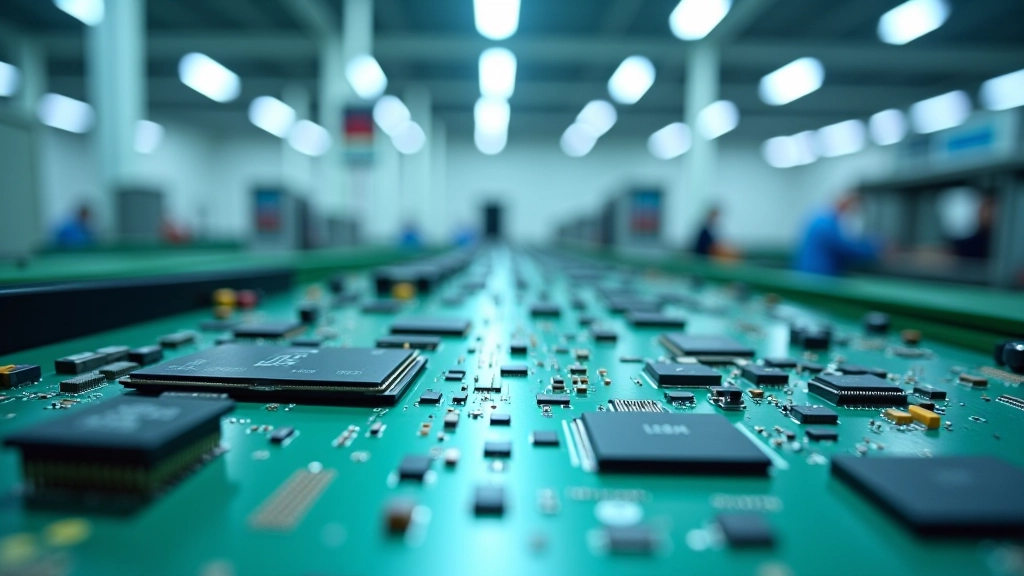
It’s hard to overstate how much the electronics industry changed Malaysia’s economic landscape. We’re talking about a sector that’s grown from basic assembly operations in the 1980s to sophisticated semiconductor manufacturing today. The numbers tell the story — electronics now accounts for roughly 40% of Malaysia’s total merchandise exports, making it far more valuable than traditional sectors.
What makes this really interesting isn’t just the size of the industry. It’s the depth. We’re not just putting together components anymore. Malaysian factories design and manufacture integrated circuits, produce semiconductor wafers, and assemble cutting-edge devices. Companies like Intel, AMD, and countless others rely on Malaysia for critical manufacturing steps. That’s a massive shift from where we started.
The competitive advantage here comes from three things working together: skilled workforce, reliable infrastructure, and strategic location. But there’s more to it than that. Trade agreements like RCEP have opened doors that didn’t exist before, and that’s created opportunities for growth we’re still figuring out.
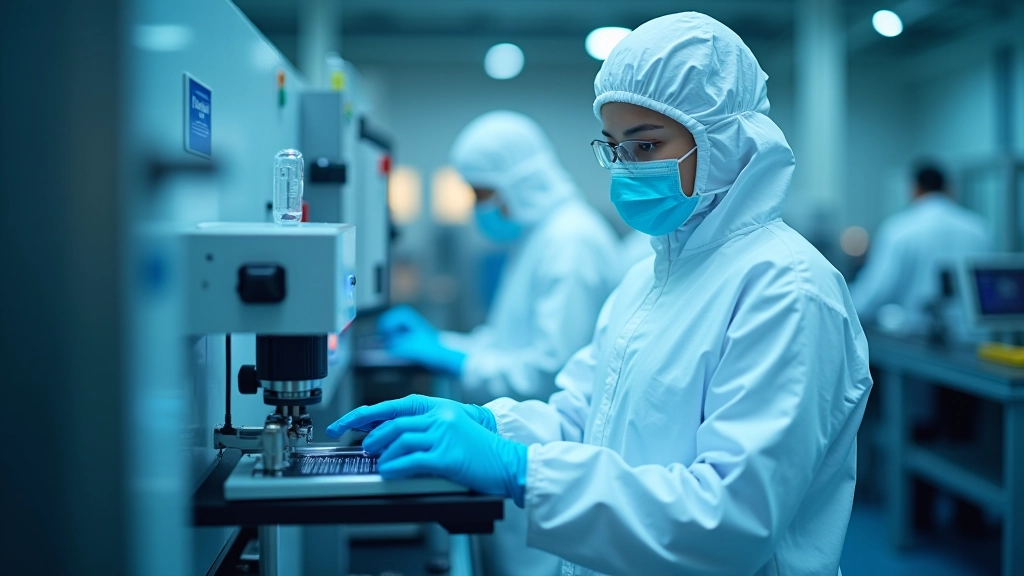

Here’s the thing about electronics manufacturing — it’s incredibly interconnected. A single smartphone might have components made in five different countries before it reaches consumers. Malaysia’s position in this network is crucial. We’re positioned between major markets, with established infrastructure and expertise that’s taken decades to build.
The semiconductor supply chain specifically involves several distinct steps. You’ve got wafer fabrication, where silicon wafers are manufactured. Then there’s assembly and testing, where components get put together and checked for quality. Malaysia excels at the assembly and testing phases, but we’re increasingly moving into design and advanced manufacturing. That’s where the real value sits.
Disruptions to global supply chains in recent years actually highlighted why Malaysia matters so much. When production got delayed elsewhere, customers looked here. We’ve got the capacity, the expertise, and the proven track record. That’s built tremendous trust with major manufacturers who can’t afford delays in their production schedules.
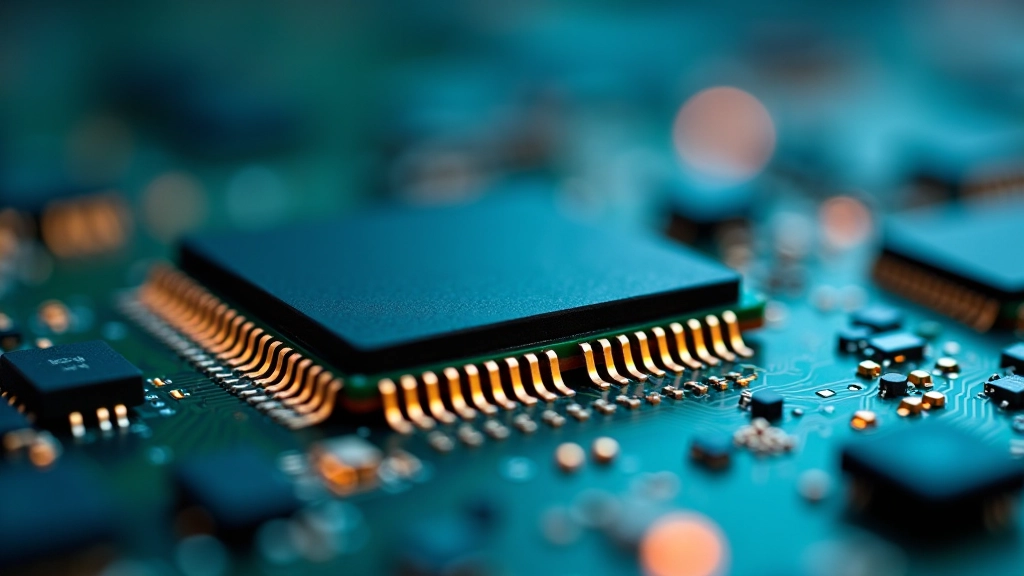
The technology we’re working with here is genuinely cutting-edge. Modern semiconductor assembly uses techniques that didn’t exist ten years ago. Ball grid array packaging, flip-chip technology, 3D stacking — these aren’t just technical terms. They’re the difference between devices that work well and devices that perform at the highest levels.
Malaysian manufacturers have invested heavily in automation and precision equipment. A single assembly line can handle millions of units annually, with defect rates measured in parts per million. That level of quality requires constant investment in training, equipment maintenance, and process optimization. The people working in these facilities aren’t just operating machines — they’re problem-solvers who understand the complexities of what they’re producing.
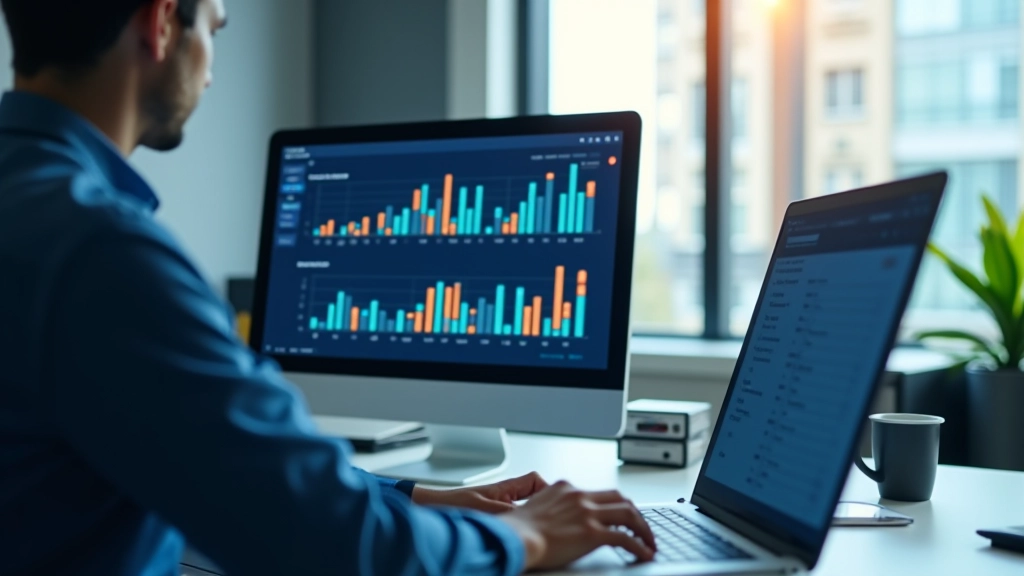
Export growth in electronics isn’t happening by accident. There’s genuine demand for what Malaysia produces, and it’s coming from multiple directions. Smartphone manufacturers, computer makers, automotive suppliers — they all need what we’re making. The industry’s grown at roughly 5-7% annually over the past decade, which is solid for a mature manufacturing sector.
What’s driving this growth? Demand for semiconductors in everything from electric vehicles to artificial intelligence systems. Malaysia isn’t just riding these trends — we’re positioned right in the middle of them. The transition to electric vehicles, for instance, requires completely different semiconductor architectures. Power management chips, battery controllers, sensor systems. These aren’t traditional products, and manufacturers need reliable partners who can scale production quickly.
Regional integration through RCEP has also opened new possibilities. You’ve got preferential tariffs between member countries, which makes Malaysia an even more attractive manufacturing hub. Components made here can move to other RCEP countries with minimal barriers, which creates efficiency throughout the entire supply chain.
Competition in electronics manufacturing is intense. We’re competing against Vietnam, Thailand, China, and increasingly India. So what keeps Malaysia in the game? It comes down to a few core strengths that aren’t easily replicated.
First, there’s the workforce. Malaysia has decades of experience in semiconductor manufacturing. Workers understand the intricacies of the job, and they’re trainable for new technologies. Engineering talent is available locally, which means companies don’t have to import expertise. That saves money and keeps knowledge in-country.
Second, infrastructure matters enormously. We’ve got reliable electricity, quality logistics networks, good ports and airports. When a manufacturer needs to move millions of units, these things aren’t luxuries — they’re requirements. Companies that have established operations here aren’t going to move lightly.
Third is the policy environment. Malaysia’s government has actively supported the electronics sector through investment incentives, research and development programs, and strategic partnerships. That’s not just helpful — it’s essential for staying competitive against countries with their own government support programs.
But here’s what really keeps us ahead: innovation. We’re not just doing what we did five years ago. Malaysian manufacturers are investing in new technologies, exploring advanced packaging techniques, developing automation systems. That continuous improvement mindset is what separates leaders from followers in this industry.
The next decade presents both significant opportunities and real challenges for Malaysia’s electronics sector. On the opportunity side, demand for semiconductors shows no signs of slowing. Artificial intelligence, the Internet of Things, 5G and beyond — all of these require semiconductor components. That’s good news for manufacturers with the capacity to deliver.
There’s also potential for higher-value manufacturing. Right now, Malaysia does tremendous work in assembly and testing. Moving more production of design and advanced fabrication could create better-paying jobs and stronger profit margins. Some companies are already doing this, but there’s room for significant expansion.
On the challenge side, competition is getting tougher. Other countries are investing heavily in their electronics sectors. Costs are rising, particularly for skilled labor and cutting-edge equipment. Supply chain vulnerabilities have become harder to ignore. And there’s always the geopolitical dimension — trade tensions and export restrictions on certain technologies create uncertainty.
Despite these challenges, Malaysia’s positioned well. We’ve built something substantial over decades — infrastructure, expertise, relationships. That foundation isn’t easily replicated. The question isn’t whether we’ll stay in electronics manufacturing. It’s what level of sophistication we’ll reach and how much value we’ll capture in the process.
Malaysia’s electronics sector isn’t just an export story. It’s a demonstration of how a country can build competitive advantages through sustained investment, strategic partnerships, and continuous improvement. We started making basic components decades ago. Today, we’re producing some of the most advanced semiconductors in the world.
What’s remarkable is that this happened alongside other sectors. We didn’t abandon palm oil or petrochemicals to focus on electronics. Instead, we developed a diversified export base where each sector strengthens the overall economy. That’s actually harder to do than specializing in one thing, but it’s much more resilient.
The electronics manufacturing sector will likely remain a core pillar of Malaysia’s economy for decades to come. The trends supporting it — digitalization, automation, the shift to green energy — aren’t going away. If anything, they’re accelerating. That means opportunities for companies, workers, and investors who understand where the industry’s heading.

This article provides informational and educational content about Malaysia’s electronics manufacturing sector and export dynamics. The information presented is based on publicly available data, industry reports, and economic trends as of March 2026. It’s intended to help readers understand the electronics sector’s role in Malaysia’s economy and its position within global supply chains.
This content isn’t investment advice, economic forecasting, or guidance for business decisions. Market conditions change, trade policies evolve, and supply chains shift. For specific decisions about business investments, trade partnerships, or economic strategies, consult with qualified professionals who understand your particular circumstances. The electronics manufacturing landscape is complex, and factors affecting growth or decline can change rapidly.